Fly Fan Series
Risk: Seasonal products are not guaranteed to be reordered.
Insight: Use consumer data to improve current model.
Execution: Added features to each iteration of product.
Outcome: Fly Fan went beyond seasonal to a fixed product.
Role:
Product Manager
Scope:
Product Life Cycle
Category:
Innovation
Market:
Omnichannel

Context:
Fly Fan was built for one job: keep bugs off food at outdoor gatherings without turning the table into a clutter zone.
Because it is a seasonal product, expectations around price, usefulness, and durability are high.
Each selling season creates a narrow window to learn, improve, and deliver results.
The Challenge:
The core product worked, but customer expectations increased with each release.
The challenge was to:
-
improve functionality without increasing complexity
-
add features that solved real use cases
-
avoid redesigning the product unnecessarily
-
maintain reliability across versions
Each new version needed to feel better than the last, not different for the sake of change.
The Strategic Decision:
Instead of redesigning the Fly Fan each season, we treated it as a product platform.
Each iteration built on the same foundation, adding features only when they addressed clear customer needs. The focus was on controlled improvement rather than reinvention.
This approach allowed the product to evolve while keeping manufacturing, packaging, and consumer understanding consistent.


Classic Edition
Built-in power bank made it a 2-in-1 buy for outdoor meals, improving perceived value and driving stronger sell-through.
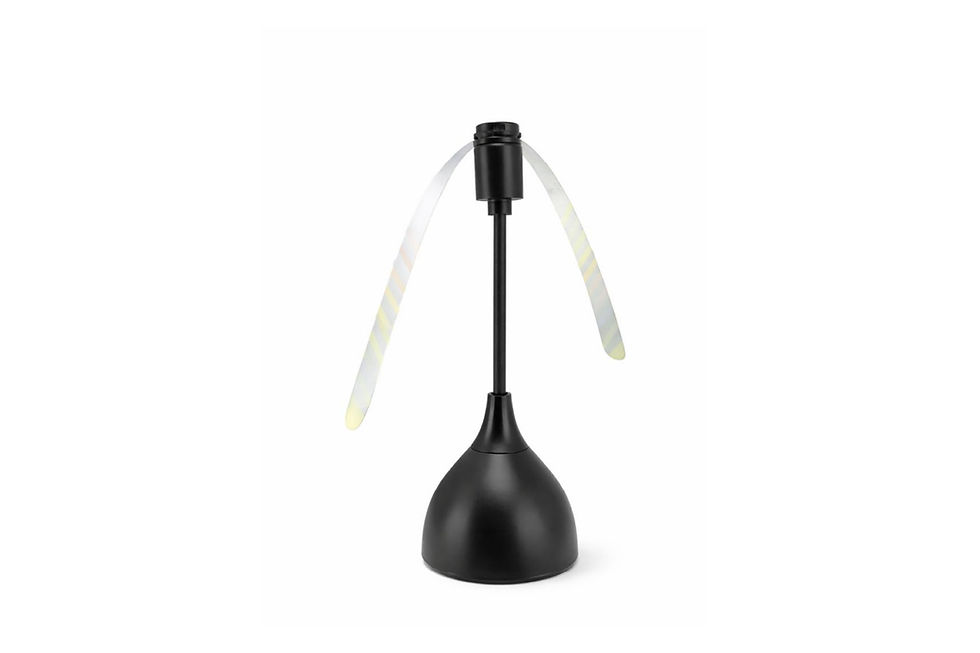
Strong Edition
Adjustable neck improved coverage over food in real setups, increasing usability and repeat demand, leading to a sell-out cycle.

Light Edition
Added lighting improved visibility for evening use, but the upgrade was less essential, so performance was moderate versus prior versions.

From Seasonal to Repeat
Turning a moment-based product into a dependable performer.
Extending product life through measured, customer-led updates.
Execution:
The Fly Fan was treated as a product platform rather than a one-off item. Each version was released in a separate cycle, with feature updates based on observed use, sell-through data, and customer feedback. Core design, packaging structure, and manufacturing approach remained consistent to avoid rework and protect speed.
Outcome:
The product improved across multiple releases without disrupting production or retail placement. Two versions sold out, and the line maintained relevance across seasons through measured upgrades. This approach extended the product’s lifecycle and positioned it as a repeat, dependable performer rather than a single-season item.


